
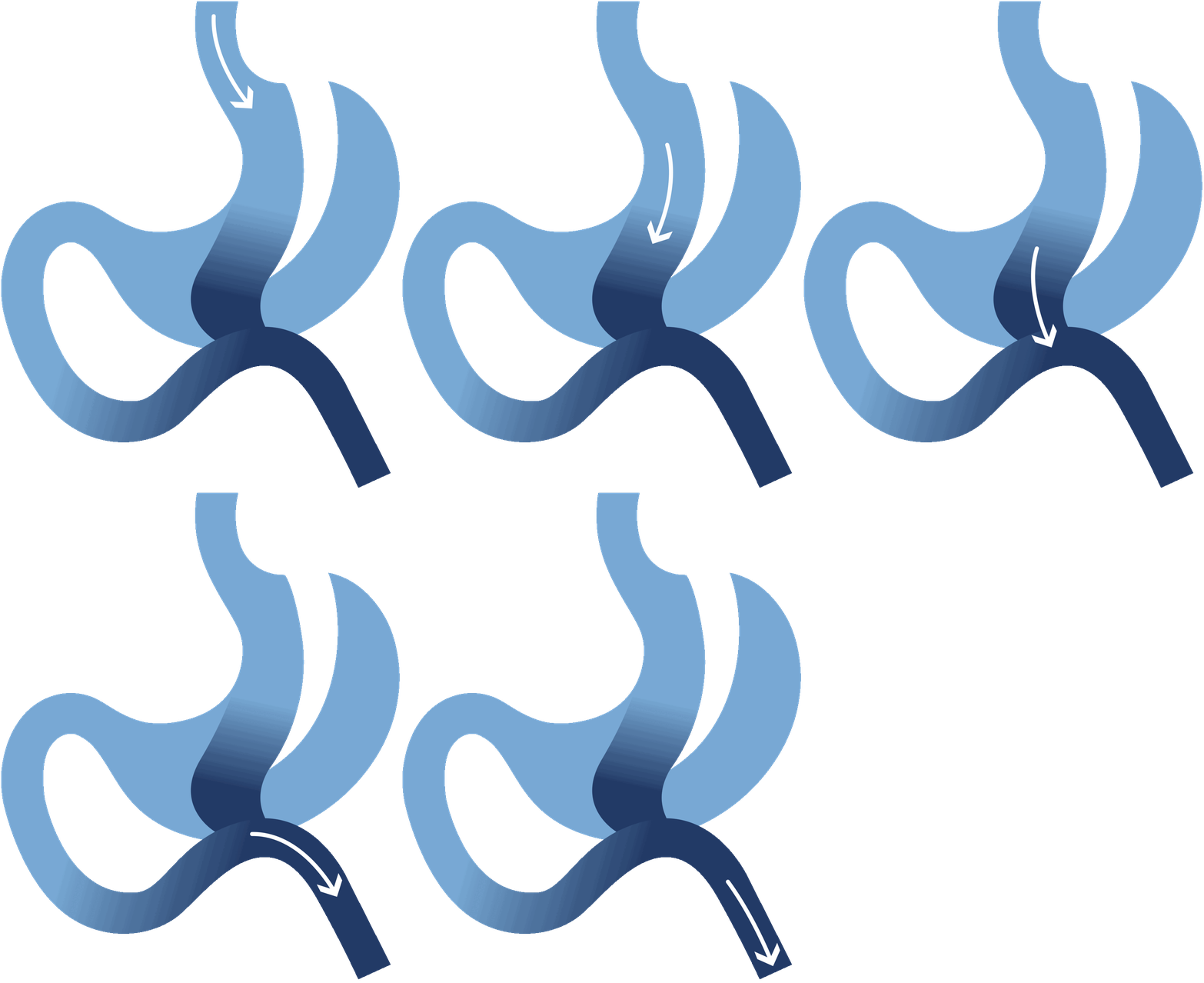
Lose 70-80% of Excess Body Weight with OAGB - Mini Bypass Surgery Kenya
OAGB (One Anastomosis Gastric Bypass), also known as Mini Gastric Bypass Surgery, is a safe, minimally invasive (laparoscopic) weight loss procedure that helps people living with obesity lose up to 70–80% of their excess body weight within 12–18 months. During the surgery, the surgeon creates a small stomach pouch and connects it to a loop of the small intestine using a single surgical connection (anastomosis). This reduces the amount of food you can eat and limits calorie absorption, leading to significant, long-term weight loss.
- Weight Loss: Up to 70–80% excess weight loss.
- Eligibility: BMI ≥40 or BMI ≥35 with health conditions.
- Hospital Stay: 1–3 days.
- Recovery: 2–4 weeks.

Table of Contents
Benefits
- Significant Weight Loss – Lose up to 70–80% of excess body weight within 12–18 months.
- Improves Type 2 Diabetes – Better blood sugar control, often leading to reduced or discontinued medication.
- Resolves Obesity-Related Conditions – Helps improve high blood pressure, sleep apnea, fatty liver disease, and high cholesterol.
- Less Invasive Procedure – Single intestinal connection results in shorter operative time than traditional Roux-en-Y gastric bypass.
- Long-Term Results – Supports lasting weight loss and improved metabolic health when combined with healthy lifestyle habits.
Disadvantages
- Lifelong Vitamin Supplements – Daily multivitamins, calcium, iron, and vitamin B12 are required permanently.
- Risk of Acid/Bile Reflux – A small percentage of patients may develop persistent bile or acid reflux symptoms.
- Nutrient Deficiencies – Reduced absorption requires diligent nutritional monitoring and routine lab work.
- Dietary Restrictions – Requires permanent healthy eating habits, smaller portion sizes, and avoiding high-sugar foods.
- Not Easily Reversible – Although possible, surgical revision or reversal is a complex procedure.
Common Side Effects
- Nausea (20–40%) – Common early after surgery; usually resolves as the new stomach pouch heals and eating habits adjust.
- Vomiting (10–20%) – Usually occurs from eating too fast, eating large portions, or insufficient chewing.
- Diarrhea or Loose Stools (10–20%) – May occur initially due to dietary transitions or malabsorption of fats.
- Dumping Syndrome (15–30%) – Rapid gastric emptying triggered by sugary foods, causing dizziness, sweating, or nausea.
Main Complications
- Anastomotic Leak (1–2%) – A leak from the connection between the stomach pouch and the small intestine.
- Bleeding (1–3%) – Internal bleeding during or shortly after surgery that may require medical management.
- Bile Reflux (2–8%) – Bile juices backing up into the stomach pouch or esophagus.
- Blood Clots (DVT/PE) (<1%) – Minimized through early post-op ambulation and preventative blood thinners.
- Vitamin & Mineral Deficiencies (10–30%) – Deficiencies in iron, B12, vitamin D, and calcium without supplements.
How Does Mini Gastric Bypass (OAGB) Work?

In a laparoscopic mini gastric bypass, the surgeon makes several tiny keyhole incisions in the abdomen while you are asleep under general anesthesia. The entire procedure typically takes 1 to 2 hours, with a short hospital stay of about 1 to 3 days.
During the surgery, the surgeon staples a portion of the stomach into a narrow, elongated tube pouch. This new pouch is then connected directly to a loop of the small intestine approximately 150–200 cm downstream, bypassing the upper segment of the digestive tract (the duodenum and proximal jejunum).
This achieves weight loss in three powerful ways:
- Reduces Hunger Signals: Reshaping the stomach alters gut-brain hormones (reducing Ghrelin), suppressing appetite and silencing "food noise".
- Early Satiety & Restriction: The smaller stomach tube holds substantially less food, so you feel comfortably full after just a few bites.
- Calorie Malabsorption: Bypassing the first section of the small intestine reduces total caloric and fat absorption from meals.
Comprehensive Patient Journey – Pre, Procedure & Post Care
A
Pre Procedure

Pre-Op Evaluations & Preparation

Recommended for individuals with:
- BMI of 40 or higher (Severe/Class III obesity).
- BMI of 35 or higher with obesity-related conditions (type 2 diabetes, hypertension, sleep apnea, PCOS, fatty liver).
- History of unsuccessful weight loss through diet and exercise alone.
Medical: Rapid remission of type 2 diabetes and reduction of cardiovascular risk factors.
Physiological: Alleviation of joint pressure, improved mobility, and better sleep.
Psychological: Boosted self-esteem, mental well-being, and enhanced lifestyle confidence.
Weeks Before: Multi-disciplinary medical, psychological, and nutritional work-ups. Low-carb liver-reduction diet.
Days Before: Cease smoking, pause blood thinners under doctor's guidance, and fast from midnight before surgery.
B
The Procedure
Surgical Steps & Technique

The patient is fully asleep and monitored closely throughout the entire 1 to 2 hour procedure.
Surgeon creates 4–5 small laparoscopic incisions (<1 inch) to insert the high-definition camera and micro-instruments.
The stomach is vertically stapled to form a narrow tube-like pouch holding approximately 100–150 ml.
The new pouch is connected directly to a loop of small intestine, safely bypassing the duodenum in one single anastomosis.
C
Post Procedure
Recovery & Long-term Care

Stay for 1–3 days in hospital under full medical care. Return to light desk work within 7–14 days. Avoid heavy lifting for 4 weeks.
Phase 1: Clear liquids (Week 1–2). Phase 2: Pureed/soft foods (Week 3–4). Phase 3: Gradual transition to solid healthy foods.
Regular daily bariatric multivitamins, Vitamin B12, Iron, Calcium, and Vitamin D with scheduled lab reviews.
Contact your surgical team promptly if you experience fever, worsening abdominal pain, persistent vomiting, or shortness of breath.
GASTRIC BYPASS (RYGB) VS MINI GASTRIC BYPASS (OAGB)
When comparing Roux-en-Y Gastric Bypass (RYGB) to Mini Gastric Bypass (OAGB), both procedures achieve powerful, long-term excess weight loss (70–80%) and exceptional metabolic improvements. However, several important surgical and anatomical differences set them apart:
- Surgical Technique: Mini Gastric Bypass requires only one surgical connection (anastomosis), compared to two connections in traditional Roux-en-Y bypass. This shortens operating time and simplifies technical execution.
- Internal Hernia Risk: Because OAGB does not create mesenteric defects associated with Roux limbs, the risk of internal herniation is considerably lower than in RYGB.
- Reflux Considerations: Traditional Roux-en-Y bypass is superior for patients with severe pre-existing GERD/acid reflux. OAGB carries a slight risk of bile reflux due to its loop configuration.
- Weight Loss & Diabetes Remission: Both surgeries deliver comparable long-term weight reduction and blood glucose normalization, making both excellent options depending on individual patient anatomy.
During your comprehensive consultation at Halcyon Hospital, our bariatric surgical team will evaluate your medical history, BMI, and personal goals to recommend the optimal surgical solution for you.
Start your Safe & Sustainable Weight loss journey here


Explore More Options

Why Choose Us
Dedicated Specialist Team
Multidisciplinary care from surgeons, nutritionists, and psychologists.
Private Specialized Wing
Exclusive, private recovery suites for bariatric patients.
Lifelong Support
Continuous monitoring to ensure sustainable results and health.
Safe & Proven Methods
Utilizing the latest bariatric surgical and non-surgical technologies.
Book Your Free Consultation
Pick a date and time that works for you. Our specialist will confirm and guide you on the right path to a healthier life.
Still have questions? We're here.
-
Call / WhatsApp +254 789 822 222
-
Email Us info@nairobiweightloss.com
-
WhatsApp Chat with us now
-
Working Hours Mon–Fri: 8:00 AM – 5:00 PM
Sat: 8:00 AM – 2:00 PM
Why book with us?